
Working as a Cook for the Chef Tree
What is a restaurant Cook?
A restaurant cook is someone whose responsibility it is to prepare and cook various appetizers, entrees and desserts; to ensure the ingredients used are fresh; to make sure the work area is clean, and to have any necessary equipment readily available. Restaurant cooks follow recipes, mix ingredients, and prepare many types of foods, using various cooking methods, such as braising, steaming, baking and broiling.
The term ‘cook’ within a restaurant kitchen may also refer to a person with little to no creative influence on a menu and little to no command over others within the kitchen, such as a line cook. These are usually all workers of a restaurant kitchen that are underneath the sous chef in the brigade de cuisine.
Types of venue



What is the role of the Cook?
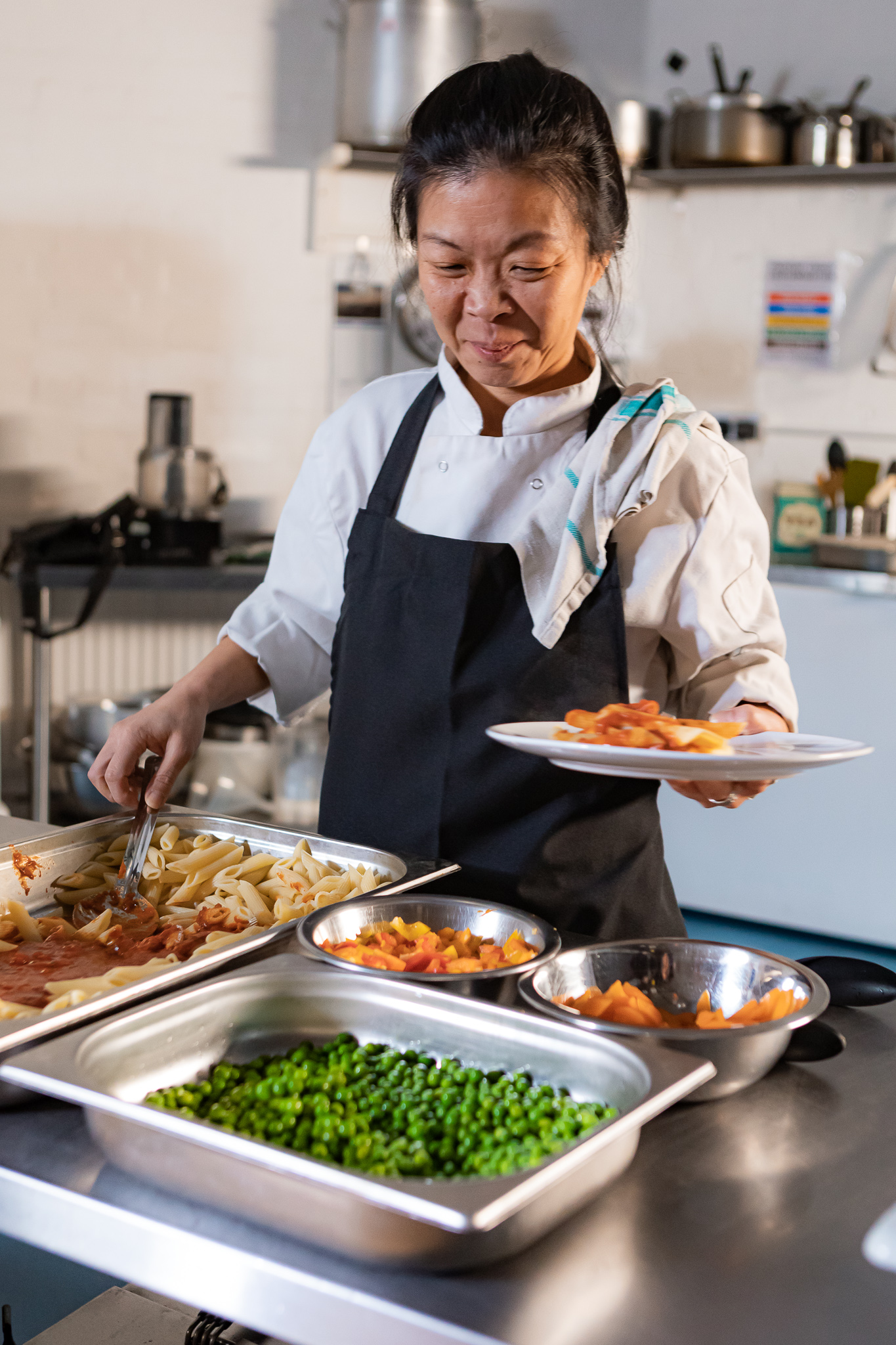
Professional restaurant cooks do the basic tasks of cooking – braising, blanching, whisking, garnishing, grilling and more. The best cooks also have cool heads and fast fingers, and help to quickly and efficiently get customers’ orders to the table. They also have a collaborative spirit for managing and working well with other kitchen staff. At any one time, they may be cooking multiple orders of multiple dishes. Restaurant cooks need to maintain standards of consistency in taste, presentation, and food safety.
Restaurant cooks are responsible for many of the daily tasks in a restaurant, such as maintaining the cleanliness of the restaurant, particularly the cooking area. They must make sure the work area is safe and that no one is working with a burn or a cut, as these can lead to a food-borne illness. Clean up during and at the end of a shift is also the responsibility of the restaurant cook. Cooks are expected to be on their feet for stretches of 10 to 12+ hours. They work in hot, cramped, and uncomfortable conditions surrounded by fire, boiling liquids, and sharp knives.
What skills does a Cook need?
Food safety
In most cases, it’s the role of cooks to check that the food they prepare is safe for consumption. Understanding the local health regulations and industry standards on food safety can help you prevent foodborne illnesses. For example, knowing the right temperature to cook and store food can help you reduce the rate of spoilage.
Teamwork
Cooks often work alongside other kitchen staff, such as wait staff, line cooks and head chefs. You may use teamwork in various situations, including when you rotate cleaning duties with other kitchen staff, deliver food orders to customers and cook alongside other cooks. To improve your teamwork skills, you may work on your communication and empathy skills.
Commitment to Quality
A chef can show commitment to their work by producing quality food for their customers. Every restaurant has a standard way of cooking and making meals, and it’s your role as a cook to meet these standards to retain and attract new customers. You can improve these skills by taking time to ask customers if there’s anything they would like improved in the food.
Cleanliness
Cleanliness is one of the main essential skills that employers expect you to have. Cleanliness encourages kitchen and food safety and also portrays a pleasant and healthy environment to your customers. You can demonstrate these skills by cleaning and sanitising your kitchen tools every time you finish cooking. You can also improve these skills by enrolling in a class on food safety and sanitation.
Multitasking
As a cook, you may do a lot of things simultaneously. You may cook in different pots or pans simultaneously, all by yourself, to meet customer orders and move swiftly to the next dish. You may also help teammates, such as servers, while you’re cooking. For example, you may be cooking one meal when a teammate asks you to cook something quickly because a customer returned an item.
Creativity
Another great chef skill is creativity, which allows you to experiment with different cooking techniques, potentially impressing your customers and employers. There are many ways to demonstrate creativity in cooking, like cooking a dish using new flavours and methods, creating unique themes for the restaurant and serving food to your customers uniquely and beautifully. You may improve your creativity by researching new cooking methods and brainstorming ideas for making new dishes.
Attention to detail
As a cook, being detail-oriented can help you notice small things in the workplace, such as flavours that make a dish better. It also helps you see a different perspective from others, allowing you to plan and accomplish goals, using your information from observing things and those around you. Learn to pay attention to detail by focusing on every task you do and reviewing your work to see what’s different. You can also make notes of anything you notice that may be useful to your work.
Ability to accept criticism
As a chef, you may get both positive and negative criticism. It’s important to learn how to accept negative criticism in your workplace, for it may give you a chance to learn from your mistakes. For example, if a customer feels dissatisfied with what you cook, you can plan to offer them something else and ask them why they may have preferred a different meal. This lets you know what to improve so you can please both the customer and staff.
Decision-making
Professional cooks may make many decisions about their work to keep their customers happy. For example, you may reduce the number of meals on the menu to get time to perfect some of the most ordered meals. In such a case, you may analyse the impact of that decision and see if it’s positive or negative. You may improve your decision-making by considering the impact of your decisions on your team members and customers and also researching various cooking techniques to help you make better decisions.
You get to go to different venues, you’re not stuck in the same job endlessly, not boring. You don’t have to go back when you don’t like somewhere and there is a variety of jobs.
Working for The Chef Tree is completely different from being a full-time chef. You choose the hours you want to do, fill in your portal, and everything is arranged around that.
How much does a Cook get paid?
According to caterer.com , the average wage for a cook in the UK is £24,449 pa.
What are the benefits of working for TCT?
When you join The Chef Tree you will be entitled to the following amazing benefits;
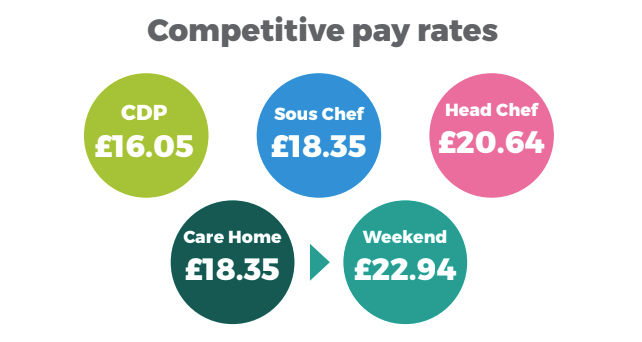
Competitive rates of pay. Our current rate for a cook is £16ph.
Our Monthly Bonus Scheme - Complete 166 hours per month (just under 38.5 hours per week) and you will receive £100 bonus. This will be paid monthly.
Our Refer a Chef scheme – If you refer a chef to us you will receive £150 when the chef completes 5 shifts. The chef you refer will receive £75 on completion of 5 shifts.
Access to our online benefit partners, Pirkx - a benefit scheme for courses, health, wellbeing, shopping and more! For more information visit www.pirkx.com
Where can you work as a cook?
I like working for The Chef Tree because of the freedom and the flexibility
You get to go to different venues, you’re not stuck in the same job endlessly, not boring. You don’t have to go back when you don’t like somewhere and there is a variety of jobs.
Working for The Chef Tree is completely different from being a full-time chef
You choose the hours you want to do, fill in your portal, and everything is
arranged around that
Registration is quick and easy!
If you're looking for a new chef job and want to start right now then we can help!
Complete the form and we'll call you right back.
Step 1 of 1
Call us: 071 8604 611